


Essential Forestry Tools Servicing Guide

When it comes to managing forests and wildlife, having reliable tools is non-negotiable. We all know that the right equipment can make a huge difference in how effectively we protect and conserve nature. But just as important as owning the best forestry tools is keeping them in top shape. That’s where forestry equipment maintenance comes in. Today, we’ll walk through everything you need to know to keep your forestry tools running smoothly, safely, and efficiently.
Why Forestry Equipment Maintenance Matters
Forestry equipment faces tough conditions every day. From rough terrain to heavy use, these tools endure a lot. Without proper maintenance, they can break down at the worst possible moments, causing delays and even safety risks. Regular maintenance helps us:
Extend the lifespan of our tools
Ensure safety for users and wildlife
Maintain peak performance and efficiency
Reduce costly repairs and replacements
Think of maintenance as an investment. A little time spent now saves a lot of trouble later. Plus, well-maintained equipment supports our mission to protect forests and wildlife more effectively.

Key Steps in Forestry Equipment Maintenance
Maintaining forestry tools is not complicated, but it requires consistency and attention to detail. Here’s a practical checklist to keep your equipment in excellent condition:
1. Regular Cleaning
Dirt, sap, and debris can clog moving parts and cause rust. After every use, clean your tools thoroughly. Use brushes, cloths, and appropriate solvents to remove grime. For power tools, make sure to clean air filters and cooling fins.
2. Lubrication
Moving parts need lubrication to reduce friction and wear. Apply oil or grease to chains, gears, and bearings as recommended by the manufacturer. This keeps everything running smoothly and prevents overheating.
3. Sharpening Blades
Sharp blades cut more efficiently and safely. Dull blades force you to use more effort and increase the risk of accidents. Use files or sharpening stones to keep chainsaws, axes, and machetes razor-sharp.
4. Checking and Replacing Parts
Inspect your tools regularly for worn or damaged parts. Replace chains, belts, spark plugs, and other components as needed. Don’t wait for a part to fail completely—proactive replacement avoids downtime.
5. Proper Storage
Store tools in a dry, secure place away from moisture and extreme temperatures. Use protective covers or cases to prevent dust buildup and accidental damage.
Essential Tools and Their Maintenance Tips
Different forestry tools require specific care. Let’s look at some common equipment and how to maintain them effectively.
Chainsaws
Chainsaws are indispensable but require careful upkeep. Always:
Check chain tension before use; it should be snug but move freely.
Clean the chain and bar after each use.
Lubricate the chain regularly with bar oil.
Inspect the spark plug and air filter monthly.
Store with the chain cover on to protect the blade.
Axes and Hatchets
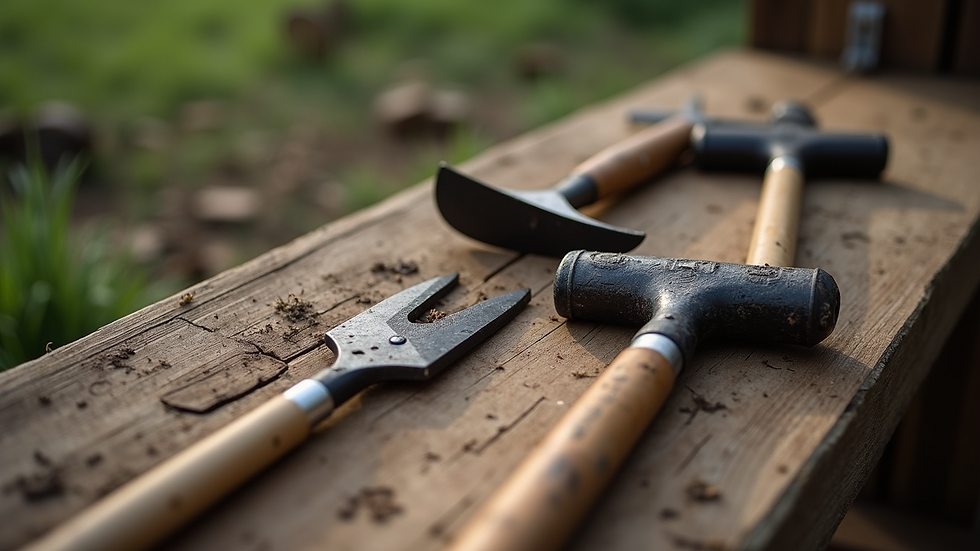
These hand tools are simple but vital. Keep them sharp and rust-free by:
Sharpening the blade with a file or whetstone.
Wiping the metal parts with an oily rag to prevent rust.
Checking the handle for cracks or splinters and replacing if damaged.
Brush Cutters and Trimmers
For these motorized tools:
Clean the cutting head and guard after use.
Check the fuel and oil levels before starting.
Replace the cutting line or blades as needed.
Inspect the throttle and safety switches regularly.
Protective Gear
Don’t forget your safety equipment! Helmets, gloves, goggles, and boots should be cleaned and inspected regularly. Replace any gear that shows signs of wear or damage.
How to Schedule Your Forestry Tools Servicing
Consistency is key. We recommend setting up a maintenance schedule based on how often you use your tools and the conditions they face. Here’s a simple plan to get started:
Daily: Clean tools after use, check for obvious damage.
Weekly: Lubricate moving parts, sharpen blades, inspect fuel and oil.
Monthly: Deep clean, replace worn parts, check safety features.
Annually: Full service by a professional technician.
If you want to ensure your tools get expert care, consider professional forestry tools servicing. This service offers comprehensive checks and repairs that keep your equipment in peak condition.
Tips for Extending the Life of Your Forestry Equipment
Beyond regular maintenance, a few smart habits can help your tools last longer:
Use the right tool for the job to avoid unnecessary strain.
Avoid overloading power tools or forcing hand tools.
Train all users on proper handling and maintenance.
Keep a maintenance log to track repairs and servicing dates.
Invest in quality tools designed for forestry work.
By adopting these practices, we not only protect our investment but also contribute to safer and more efficient forest management.
Supporting Sustainable Forestry Through Equipment Care
Taking care of our forestry tools is more than just good practice—it’s part of a larger commitment to sustainability. Well-maintained equipment reduces waste and environmental impact. It also supports the mission of organizations working tirelessly to conserve India’s rich forest heritage.
At Ecocanopy, we are proud to provide innovative and sustainable equipment solutions. Our goal is to empower conservation teams with reliable tools and comprehensive support, helping them protect nature more effectively and humanely.
Let’s keep our tools sharp, our machines running, and our forests thriving.
Thank you for joining us on this journey to better forestry equipment maintenance. Remember, a little care goes a long way in safeguarding our natural world. Happy maintaining!


Comments